The Core Difference in a Single Sentence
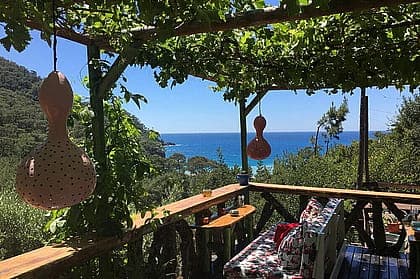
Bali is a spiritual immersion in an ancient Hindu culture built around ritual, community, and nature. Turkey is a sophisticated Mediterranean experience combining European comfort standards with Aegean beauty and Ottoman-rooted hospitality. Both are exceptional yoga retreat destinations — but they suit different travellers at different life stages. The right choice depends on your budget, travel distance, teaching preferences, and what you genuinely need from your time away.
Cost Comparison: Turkey Wins on Value
For travellers from Europe, Turkey is considerably more cost-effective than Bali once flights are factored in. A return flight from London or Amsterdam to Antalya or Bodrum typically costs $150–$350 and takes 3–4 hours. The same journey to Bali involves 14–20 hours of travel and $500–$900 in flights. On the ground, retreat prices are broadly similar in the mid-range ($1,400–$2,200 for 5–7 nights), but Turkey offers a stronger currency advantage — your food, excursions, and personal spending stretch further. For North American travellers, the flight equation reverses: Bali is roughly the same distance as Turkey from the US West Coast, making it more competitive.
Climate and Best Season
Turkey's retreat season runs April through October, peaking in May–June and September–October. Temperatures in prime retreat regions reach 28–35°C in high summer but are rarely the oppressive humidity of tropical Bali. Bali operates year-round, with a dry season (May–September) ideal for retreats and a wet season that sees heavy afternoon rain. If you're planning a retreat between November and March, Bali has the weather advantage. If you're planning April through October from Europe, Turkey wins on both climate and convenience.
Teaching Quality and Yoga Styles
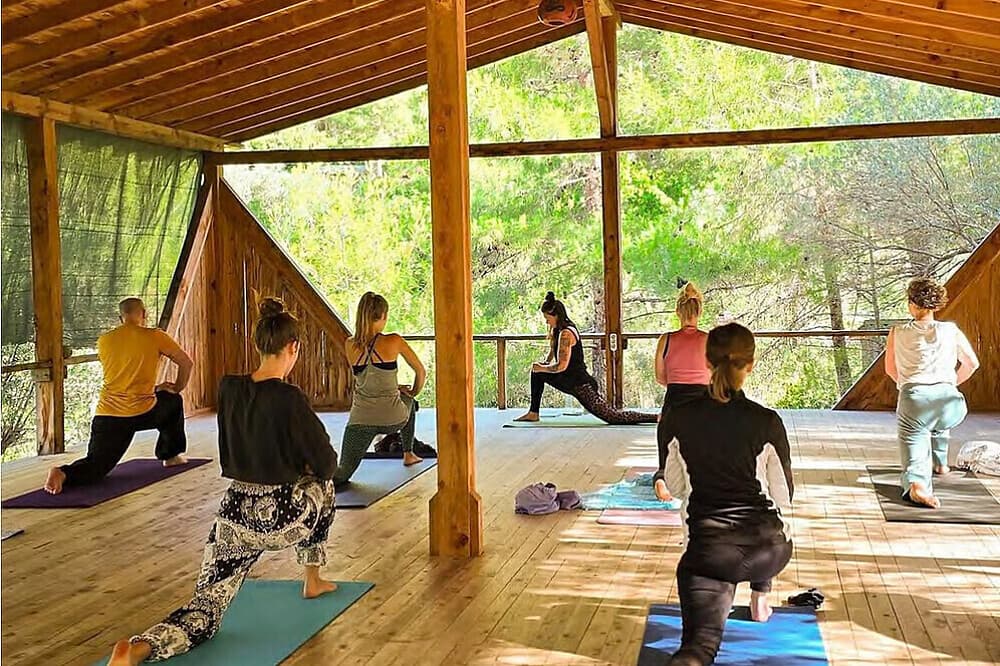
Bali — particularly Ubud — has an extraordinarily deep yoga teacher community. You'll find masters of Ashtanga, Yin, Tantra, and advanced somatic practices who have been based there for decades. The spiritual depth available in Ubud is unmatched globally. Turkey's retreat scene is younger but growing rapidly — you'll find excellent Vinyasa, Hatha, Yin, and Restorative programs, plus an increasing number of internationally trained teachers relocating from Bali and Ibiza. For advanced practitioners pursuing lineage-specific training, Bali still holds an edge. For well-rounded, high-quality wellness retreats at a professional standard, Turkey's offerings are now fully competitive.
Travel Logistics and Practicality
Turkey's logistical advantages for European travellers are significant: no long-haul jet lag, no visa issues for EU/UK passport holders (e-Visa available instantly), direct flights to Antalya and Dalaman from most European capitals, and modern retreat infrastructure with reliable Wi-Fi and European-standard accommodation. Bali requires managing a 10–20 hour journey, potential jet lag, navigating Ngurah Rai Airport, and variable infrastructure standards outside of Ubud and Seminyak. For a first international retreat or a time-limited trip of 5–10 days, Turkey's logistics make it a more achievable experience.
Which Should You Choose?
Choose Turkey if: you're based in Europe, you want to maximise retreat time vs travel time, you're seeking a sophisticated Mediterranean wellness experience, or you're travelling on a budget. Choose Bali if: you're based in Australia, Singapore, or the US West Coast, you want deep spiritual immersion in Hindu-influenced practices, you're pursuing advanced yoga study or teacher training, or you have 2+ weeks and want to fully immerse in a different culture. Both are world-class destinations — but for most European retreat-goers in 2026, Turkey delivers more retreat for less travel.