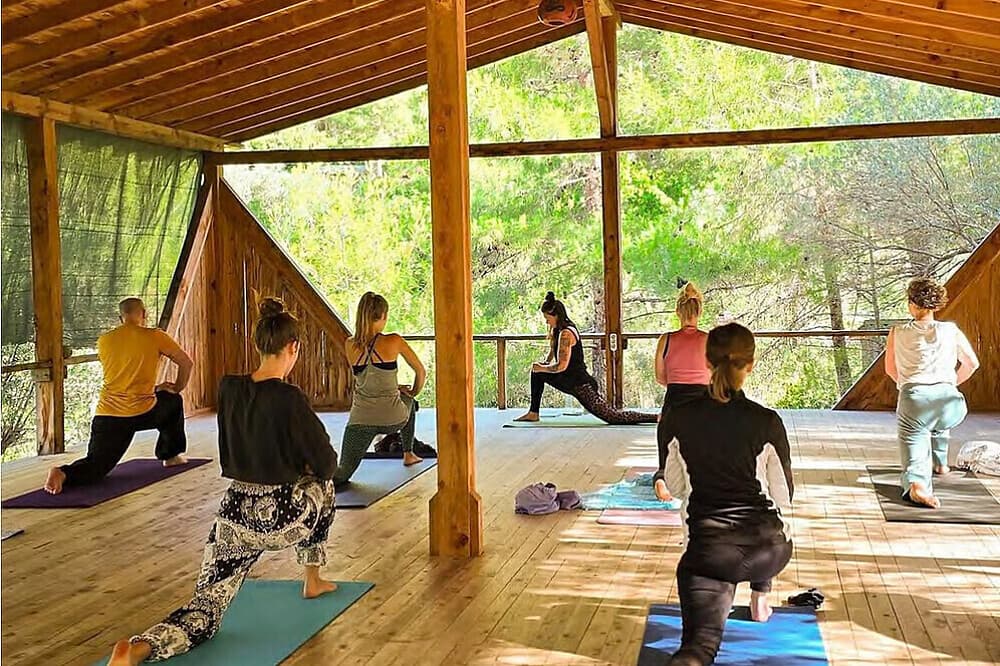
The Arrival Experience
Arrival day is a study in transition. Most retreats begin with a welcome orientation: introductions, a tour of the property, explanation of the schedule, and a sharing of house guidelines (often things like maintaining phone-free yoga spaces, respecting quiet hours, and communal kitchen etiquette). You may feel slightly awkward in the first few hours — this is completely normal. You're new to the space, new to the people, and your nervous system is still calibrated for your regular life's pace. By the first evening practice, most guests report a noticeable shift: the body begins to settle, the social anxiety softens, and a quiet sense of possibility opens.
The Emotional Arc of a Retreat
Day 1: Novelty and mild disorientation. Day 2: Often the hardest day — this is when habitual patterns surface. Some guests feel irritable, sad, or emotionally raw without understanding why. This is normal and valuable. It signals that you're actually present and beginning to process. Day 3: The opening. Most guests report a breakthrough of some kind — a shift in perspective, an emotional release, or simply a sudden and unexpected feeling of ease. Days 4–7: Integration and deepening. The practices begin to layer, relationships among guests deepen, and the quality of stillness available in practice increases noticeably. Final day: Bittersweet. There's often a desire to stay and a simultaneous readiness to bring what you've found back into your life.
The Food Experience
Food at quality yoga retreats is intentionally nourishing: designed to support the practice, not indulge it. Expect plant-forward meals with local seasonal produce, moderate portions, and minimal processed food or alcohol. Many retreats offer vegetarian or vegan menus by default, with fish or chicken optional. Meal times are social anchors — conversations at the table are often where the deepest retreat connections form. If you have specific dietary needs, communicate them before arrival; any competent retreat kitchen will accommodate allergies and preferences with advance notice.
Community and Social Dynamics
Yoga retreats create unusually rapid and authentic human connection. Within 48 hours, guests who arrived as strangers are often sharing meals, walking together, and holding space for each other's experiences. This happens because the retreat environment strips away the status markers and social performance of ordinary life. You're all there for the same reason; you're all being vulnerable in the same way. Some guests form friendships that endure for years after the retreat. Others prefer more solitude during their stay — both approaches are completely valid, and good retreats create space for both.
The Challenging Moments (What No One Tells You)
Retreats can surface difficult emotions. Long periods of quiet practice create space for thoughts and feelings that daily busyness usually suppresses. This is not a malfunction — it's the point. But it's worth knowing that you may feel unexpectedly tearful, frustrated, or emotionally restless at some point during the retreat. A skilled teacher will normalise this and offer appropriate support. It's also possible that the physical practice is harder than expected — muscles you haven't used, poses that feel inaccessible. Be patient and communicate with your teacher.
The Return: Integration After Your Retreat
The days immediately following a retreat are a vulnerable transition. You've spent several days in a protected, nourishing environment — returning to urban life, commuting, and work demands can feel jarring. Common experiences: heightened sensitivity to noise and crowds, a strong desire to maintain the practices you developed at the retreat, and sometimes a temporary dip in mood as the contrast with retreat life becomes clear. Have a plan for your first week home: keep some daily practice (even 15–20 minutes), maintain retreat-like meal rhythms where possible, and allow yourself to talk about your experience with people who will receive it thoughtfully.